Interventions & Therapies
The dramatic increase in autism awareness has led to highly effective, evidence-based practices (EBPs). Early intervention is crucial—it can significantly improve communication, social skills, and cognitive development.
No Single Intervention Fits All
Keep in mind that no single intervention is effective for everyone. Families should collaborate with medical professionals to find the right fit. When evaluating options, always ask questions about staff training, predictable schedules, individual attention, and how progress is continuously measured.
Applied Behavior Analysis (ABA)
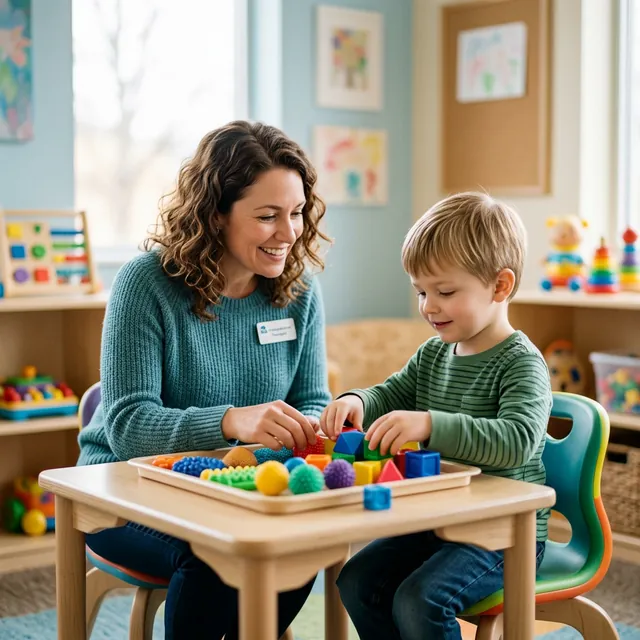
Often considered a gold standard, ABA systematically applies behavioral principles to improve socially significant behaviors, including reading, communication, and adaptive living skills. Therapists define goals, break them down, and measure progress continuously.
DIR / Floor Time
A relationship-based model designed to help children work around processing difficulties. By getting on the floor to play, parents and therapists reestablish effective contact and guide children to master developmentally appropriate skills through engagement rather than directives.
SCERTS® Model
A comprehensive approach prioritizing Social Communication, Emotional Regulation, and Transactional Support. It heavily involves parents and educators to build a support network that adapts to the child's evolving daily needs.
Early Start Denver Model (ESDM)
A behavioral early intervention approach specifically engineered for children ages 12 to 48 months. It integrates a play-based, developmental curriculum with teaching procedures focused on relationships and positive affect.
Core Supportive Therapies
Occupational Therapy (OT)
OT helps children develop necessary skills for daily living (eating, dressing, writing). It often includes sensory integration therapy—a specialized framework addressing sensory processing differences, helping children better handle light, sound, and textures.
Speech-Language Therapy
Vital for both verbal and non-verbal communication. Therapists teach everything from forming words to reading facial expressions. For non-speaking individuals, they introduce AAC (Augmentative and Alternative Communication) tools to give them a voice.